
To build with youth is to embrace uncertainty. To scale is to trust
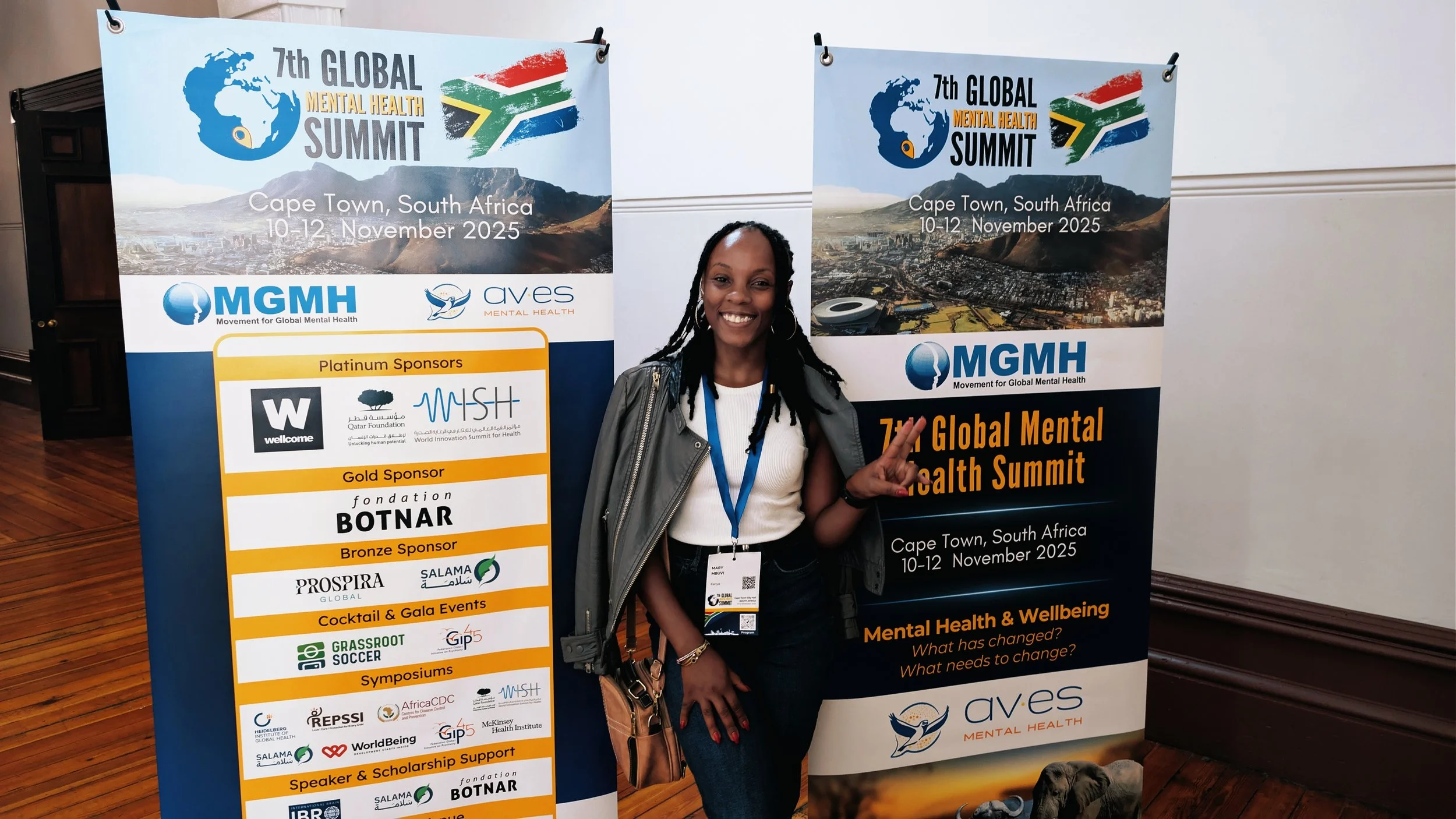
Mary Mbuvi, Senior Product Manager
I have learned that when you build with young people, you also build with everything that moves in their lives: school cycles, friendships, pressure from home, shifting interests, disappearing phone credit, exam seasons, heartbreak, boredom, curiosity. Do you remember the feeling? Nothing stays still for long. And if you’re not paying attention, a feature that felt promising in a workshop can feel irrelevant two months later.
I’m a product manager at YLabs, and it took me a while to understand just how fast youth reality shifts and how easily a digital product can fall behind. CyberRwanda’s first version taught us this the hard way. It had three main components: FAQs, stories, and a shop. It was very simple, and for a while, that felt like enough. However, as we continued to listen, talk to our users, and conduct design research sessions, it became clear that the platform was struggling to keep up with the pace and depth of young people’s lives. They had very, very personal questions, and their needs weren’t being met by simply reading a static FAQ page. And, sure, while the then CyberRwanda version was helpful, it didn’t move with them.
Keeping pace with youth
Post-COVID, it became clear to me that “staying relevant” is not just a Silicon Valley problem. It matters just as much in the social impact sector - maybe even more - because young people don’t experience life in neat, predictable cycles. Their realities shift fast, and if a platform doesn’t shift with them, it stops being useful. No matter how well-designed it once was.
After we realized CyberRwanda’s first version wasn’t keeping up, we spent months in design research sessions, and two things kept coming up. First, young people wanted a private space to ask questions they couldn’t ask at home, in school, or even during our workshops. Second, many came to the platform in moments of panic.
I think I’m pregnant…
I’m being pressured to have sex…
I don’t know what to do…
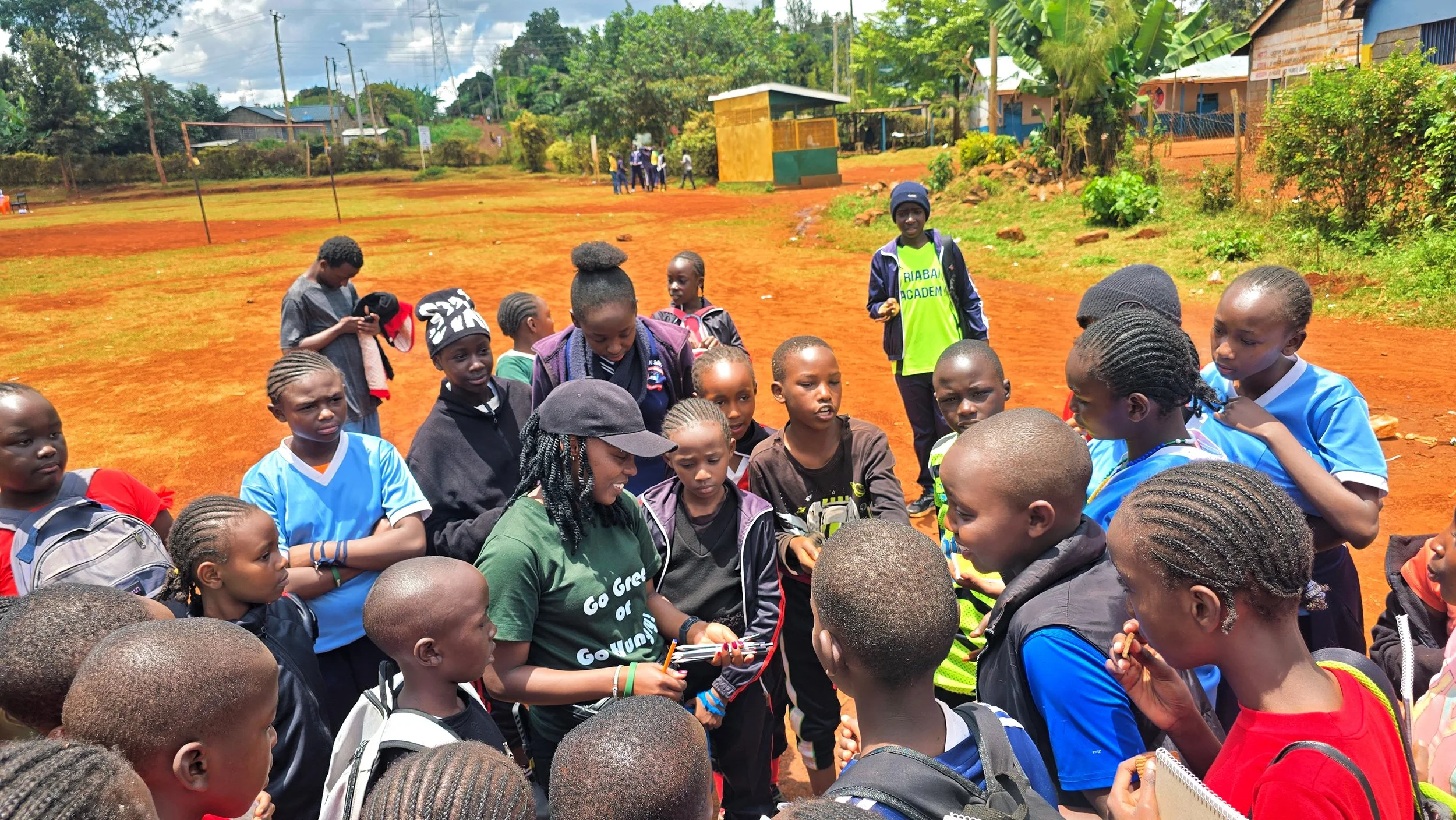
And that’s how the advice column was born. And for me, it remains one of the clearest reminders of why building with youth can’t be done without cultural sensitivity. In Rwanda, the idea of “Baza Shangazi” (ask your aunt) is well understood, signifying the older person you can turn to quietly, privately, without judgment. We modernized that instinct into a digital doorway youth could trust, and immediately, the questions poured in, ranging from periods to relationships and even depression.
The crisis flow emerged from the second insight. If so many youth arrived at the platform in moments of fear, then the platform needed to meet them there. We designed the crisis flow to walk with them through each scenario, so that if someone thought they were pregnant or didn’t know how to handle sexual pressure, the flow helped them make sense of what was happening and what they could do next.
Since then, keeping pace has meant exploring new formats: videos, seasonal story series, audio, mental health integration, and even building a real online presence so CyberRwanda lives where young people already are. But the biggest lesson has been that relevance comes from adapting, and not from endlessly adding more features. And adapting only happens when you stay close enough to young people to notice what’s changing before the product falls behind like the latest fad.
When real life wins
But even when you listen closely, design carefully, and co-create with young people at every step… real life still has the final say. When CyberRwanda began to scale, we introduced a USSD option so young people without steady internet could privately order SRH products. On paper, it was everything youth had asked for: discreet, simple, low-cost, and available on basic phones. I genuinely believed it would unlock a whole new segment of users.
But in practice, engagement did not increase, and we learned something important: not all behaviors fit the same context.
The tech worked. The vision made sense. But the context didn’t cooperate. USSD was a single-purpose, transaction-heavy tool. It required privacy, intention, and access to a personal phone, all at the same moment. And yet, many of the adolescents we were targeting share phones with parents or siblings, which makes private ordering complicated. Others couldn’t consistently afford products, even if they wanted them. And because SRH needs aren’t daily or weekly habits, the use case wasn’t strong enough to create meaningful traction. We only saw spikes when discounts or free products were available.
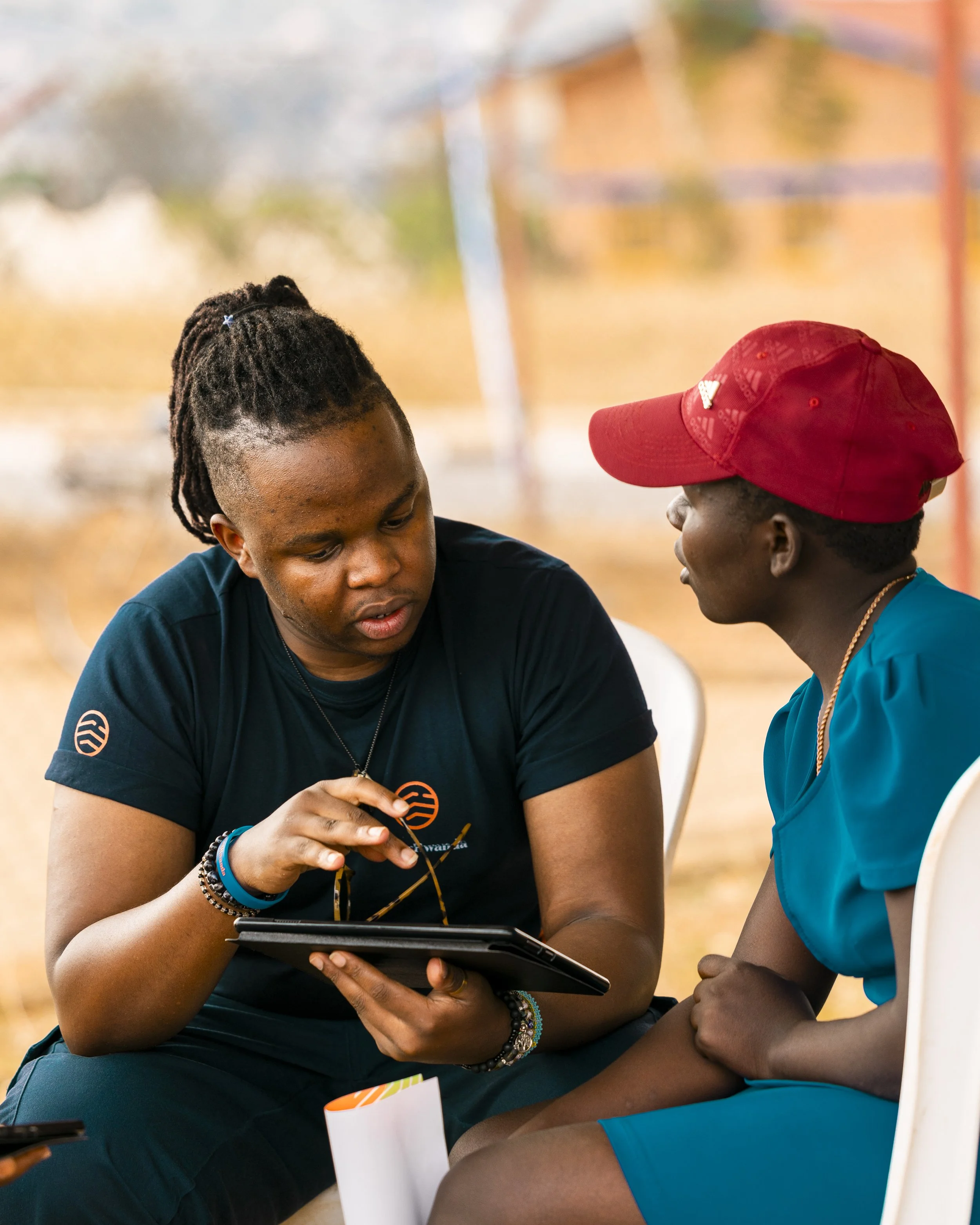
The CyberRwanda platform, meanwhile, sits in a completely different part of young people’s lives. It’s multi-purpose, exploratory, anonymous, and low-stakes to visit. Youth use it in schools, youth centers, living rooms, or with friends. They browse, learn, read stories, ask personal questions, and get support. But a private SRH purchase? That is a different behavior entirely, shaped by who owns the device and whether they need a product or feel ready to act.
What the USSD lesson really showed me was how much context shapes youth behavior. Learning, exploring, and asking questions fit easily into the flow of their everyday lives. Purchasing does not. And that difference matters. Sometimes a feature doesn’t take off because real life has its own rhythm. And part of building with youth is respecting that rhythm and adjusting to it, not forcing it.
Scaling through an ecosystem
One thing the USSD experience reminded me of - and something funders often miss - is that a product like CyberRwanda doesn’t succeed because one feature works. It succeeds because the ecosystem around it works. Young people don’t experience SRH access as a single moment. They move between online spaces, peer conversations, school influences, community norms, and the health system itself. CyberRwanda only works when all those pieces speak to each other.
And that’s where scale becomes misunderstood. Scale isn’t simply “taking what worked here and copying it there.” It’s definitely not pushing for bigger numbers. For youth-centered products, scale is an ongoing negotiation with reality. It asks different questions, like: Does this community understand the product? Do providers trust it? Are there youth centers to anchor it? Do young people have private access to phones? What does privacy even look like in their households?
Some of this work is what you might call horizontal scale, and involves expanding access from reach to geography. That requires finding the right distribution channels, expanding to new communities, or showing up in spaces young people already inhabit at scale.
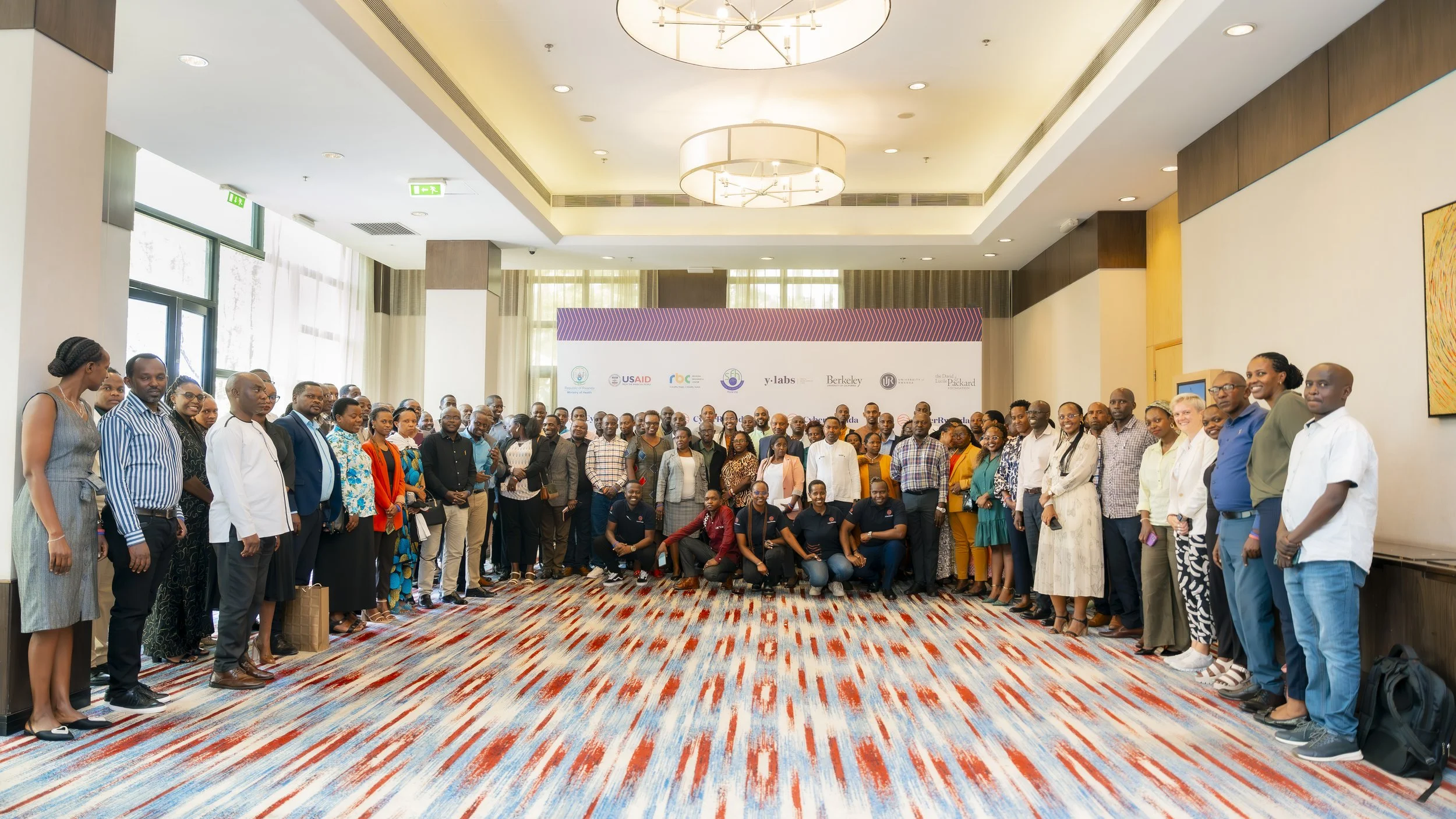
But just as important is vertical scale. That means building trust, adapting policies, reallocating resources, and embedding interventions within formal structures so they remain robust and independent. In CyberRwanda’s case, progress didn’t come from piling on new features. It came from reinforcing the ecosystem itself: partnerships with the Rwanda Biomedical Center and schools, youth centers that could anchor engagement offline, and training for providers to reduce stigma.
Our industry often prioritizes rapid scaling, but this kind of iteration and co-creation actually drives impact. It is slower, sure, but it builds trust. And let’s face it, trust is scale. When young people trust the product, when teachers trust the approach, when providers trust the system, the growth follows naturally and sustainably.
Ready to partner with us to help youth lead the way? Reach out to our team today!